
 Home
Home Home Decor
 Kitchen & Dining
 Contact
 FAQ
FAQ Track order
-
×
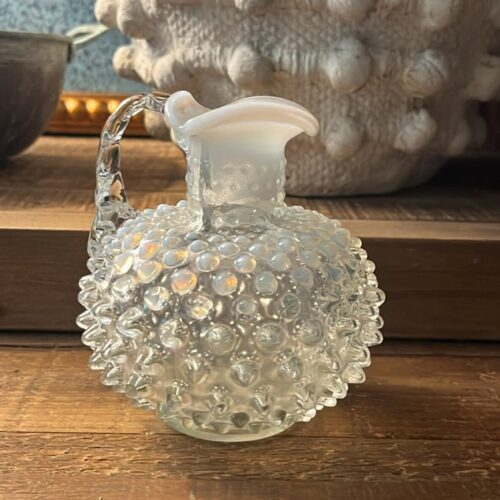 Vintage Fenten Small Pitcher
1 × $50.00
Vintage Fenten Small Pitcher
1 × $50.00
29
Jul
Jul
Home Decor
Art and Sculpture in Home Design
Incorporating art and sculpture into home design is not just about decorating a space—it’s about making it vibrant, personal, and soulful. Artistic elements can transform interiors from mundane to magnificent, creating environments that inspire and engage. This comprehensive guide explores the integration of art and sculpture in home design, offering insights into selecting, placing, and harmonizing these elements within your living spaces.
The Importance of Art in Interiors
Why Integrate Art in Home Design? Art enriches spaces in several ways:
- Aesthetic Appeal: Art is a fundamental component that adds beauty and visual interest to any room.
- Personal Expression: Artworks and sculptures are expressions of personal taste and can reflect the homeowner’s personality and values.
- Cultural Reflection: Art can serve as a reflection of cultural identity and heritage, adding a layer of depth and context to the home.
- Emotional Impact: Art evokes emotions and can transform the mood of a space, influencing how people feel within their environment.
Types of Art for Home Decor
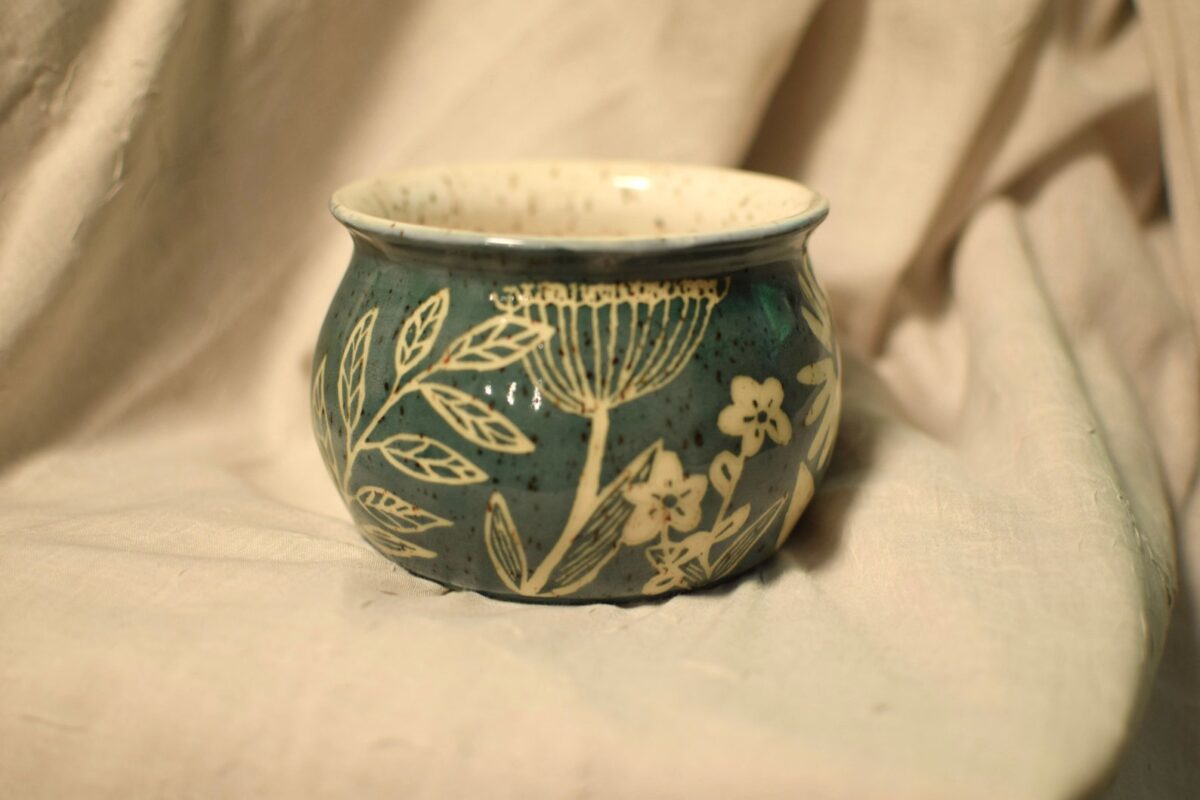
1. Paintings and Prints:
- Classical Paintings: Bring a touch of sophistication and timeless elegance.
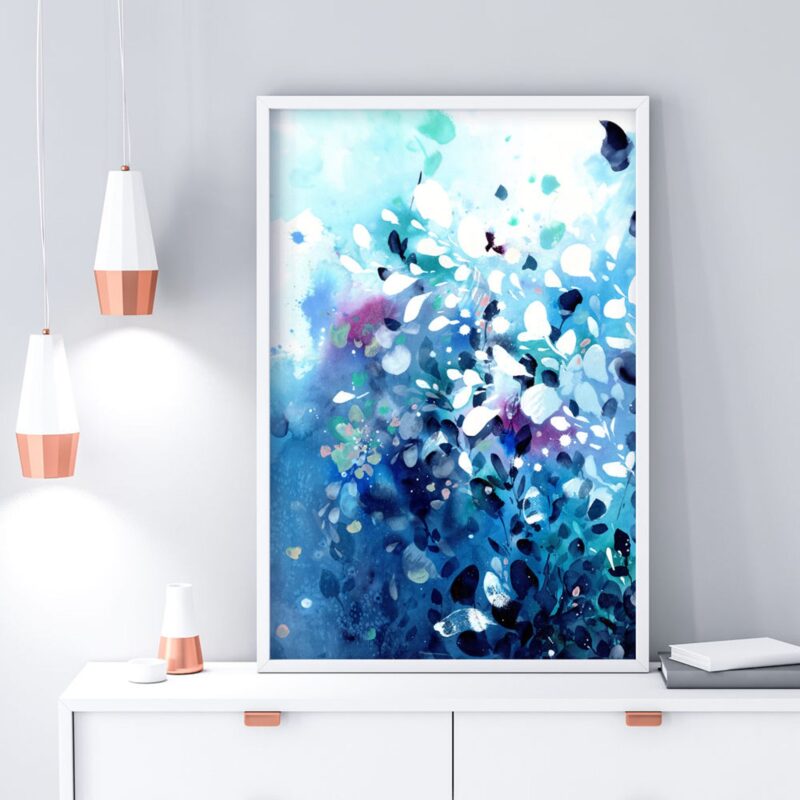
- Modern Art: Adds vibrancy and a contemporary edge.
- Digital Art Prints: Offer versatility and accessibility for modern homeowners.
2. Sculptures:
- Freestanding Sculptures: Serve as focal points in a room, ideal for entryways or living room corners.
- Wall-Mounted Sculptures: Enhance wall decor and add dimension to flat surfaces.
- Functional Sculptures: Items like sculptural furniture or lighting fixtures that combine aesthetics with utility.
3. Textile Art:
- Tapestries and Wall Hangings: Add warmth and texture, suitable for softening modern decor or enhancing a rustic look.
- Artistic Rugs: Ground furniture arrangements and can be artworks in their own right.
Selecting Art for Your Home
1. Consider the Space:
- Size and Scale: Choose art that fits the scale of the room and furniture. A large painting might dominate a small room or a tiny sculpture might get lost in a spacious area.
- Color Scheme: Art should complement the room’s existing color palette or serve as a bold accent.
- Style Consistency: While mixing styles can be visually stimulating, there should be some elements that tie the room together.
2. Focus on Personal Taste: Art is highly subjective. Select pieces that resonate with you personally, rather than choosing solely based on trends or value.
Placement and Installation Tips
1. Lighting Artworks:
- Natural Light: Ideal for most art, but avoid direct sunlight which can fade colors.
- Spotlighting: Use adjustable ceiling lights or wall-mounted lights to highlight pieces and create ambience.
- Integrated Lighting: In-built picture lights can offer a dramatic effect, especially for paintings.
2. Sculpture Display:
- Pedestals: Elevate sculptures on pedestals to enhance their visibility and importance.
- Grouping: Small sculptures can be grouped together to form a cohesive collection.
- Interaction: Place sculptures in interactive spaces, like gardens or entryways, where they can be enjoyed from multiple angles.
3. Hanging Art:
- Height: The center of a painting should be at eye-level, which is typically about 58 inches from the floor.
- Arrangement: In galleries or larger walls, consider symmetric or asymmetric arrangements based on the number and sizes of pieces.
Harmonizing Art with Interior Design
1. Theme Coordination:
- Motifs and Themes: Choose art that reflects themes or motifs present in the décor, such as nautical, floral, or abstract.
- Cultural Themes: Art from specific cultures can complement a themed decor, like Asian-inspired or Mediterranean styles.
2. Functional Art:
- Room Dividers: Use large sculptures or installations as room dividers in open-plan spaces.
- Utilitarian Objects: Consider artistically designed furniture, light fixtures, or even kitchenware that can serve both functional and aesthetic purposes.
Conclusion
Art and sculpture not only beautify a space but also imbue it with life and personality. When art is thoughtfully integrated into home design, it can elevate a house to a home, making spaces not just visually appealing but also emotionally resonant. Whether you’re an art aficionado or new to art collecting, understanding how to work with these elements can profoundly impact the design and feel of your home. By following these guidelines, you can create a space that is both beautifully designed and deeply personal.