
 Home
Home Home Decor
 Kitchen & Dining
 Contact
 FAQ
FAQ Track order
-
×
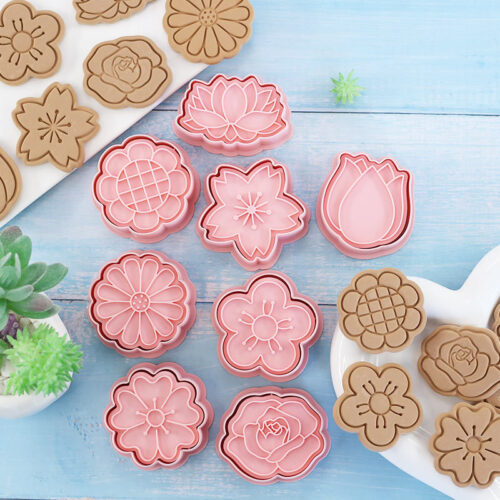 Flower Shape Cookie Cutters 3D Plastic Biscuit Mold
3 × $35.00
Flower Shape Cookie Cutters 3D Plastic Biscuit Mold
3 × $35.00 -
×
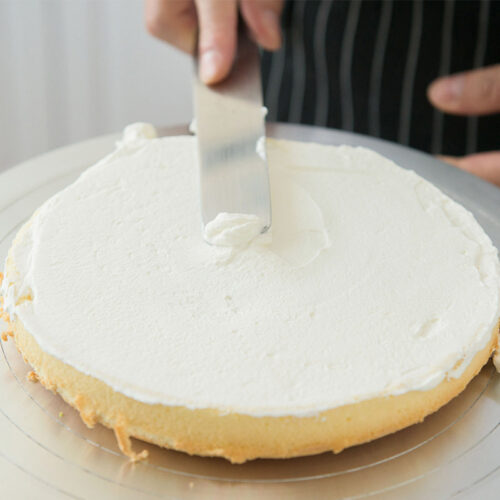 Portable Cream Spatula Cake
2 × $21.00
Portable Cream Spatula Cake
2 × $21.00 -
×
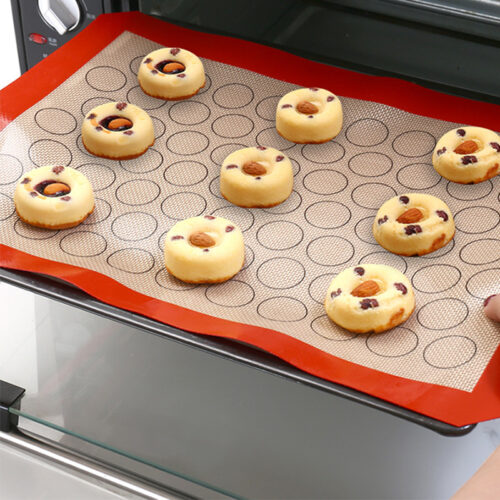 Macaron Non-Stick Silicone Baking Mat
1 × $45.00
Macaron Non-Stick Silicone Baking Mat
1 × $45.00 -
×
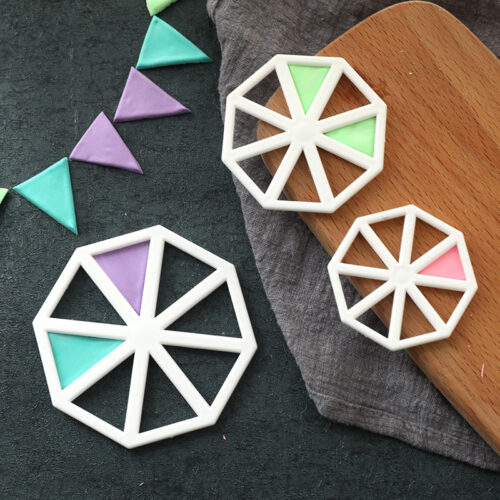 3Pcs Fondant Cake Mold Flag Triangle Shape
1 × $18.00
3Pcs Fondant Cake Mold Flag Triangle Shape
1 × $18.00 -
×
 Oval Carbon Steel Toast Bread Mold Cake
1 × $35.00
Oval Carbon Steel Toast Bread Mold Cake
1 × $35.00 -
×
 Aluminum Alloy Round Cake Pan
1 × $55.00
Aluminum Alloy Round Cake Pan
1 × $55.00 -
×
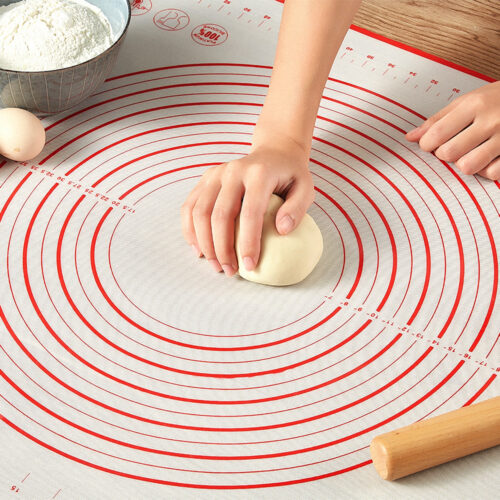 Kneading Dough Mat Silicone Baking Mat Pizza
2 × $35.00
Kneading Dough Mat Silicone Baking Mat Pizza
2 × $35.00 -
×
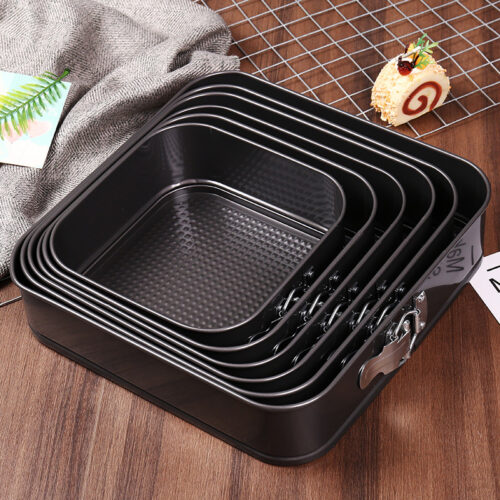 Carbon Steel Square Non-Stick Bake Mould
1 × $75.00
Carbon Steel Square Non-Stick Bake Mould
1 × $75.00 -
×
 Aluminum Foil Cupcake Paper
2 × $45.00
Aluminum Foil Cupcake Paper
2 × $45.00
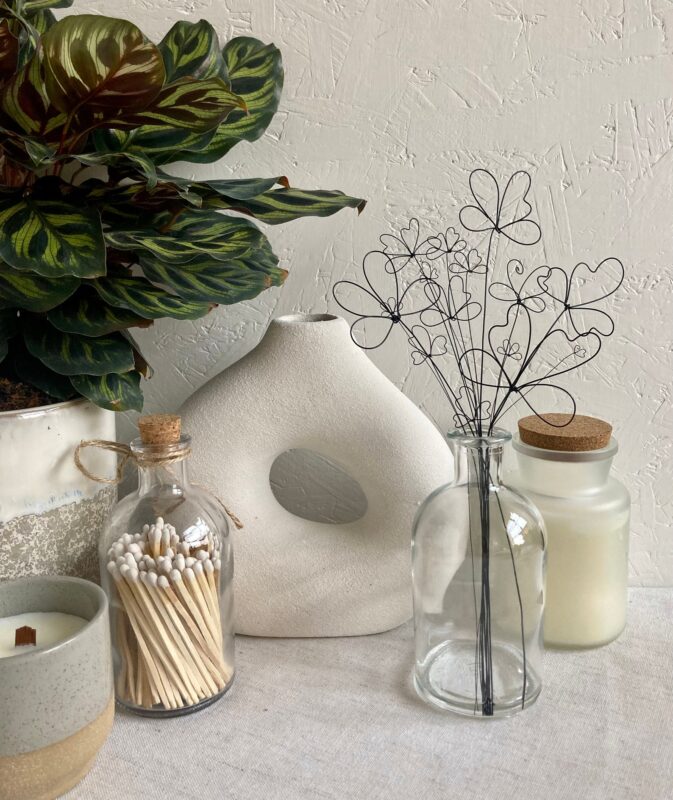
29
Jul
Jul
Home Decor
The Ultimate Guide to Creating a Harmonious Home
Creating a harmonious home goes beyond mere decoration; it’s about crafting environments that foster tranquility, balance, and happiness. This comprehensive guide explores how to achieve harmony in your home, discussing everything from color schemes and furniture placement to the role of textures and patterns. By integrating these elements thoughtfully, you can transform your house into a peaceful sanctuary.
Understanding Harmony in Home Decor
What is Harmonious Decor? Harmony in home decor refers to the pleasing balance and cohesion between different elements within a space. It encompasses aesthetics, functionality, and atmosphere, resulting in a seamless and inviting overall feel.
Elements of Harmonious Design:
- Balance: Even distribution of visual weight in a room.
- Rhythm: Creating patterns or repetition to guide the eye comfortably through the space.
- Emphasis: Having focal points to draw and please the eye.
- Unity: The sense that all components of the interior are part of a cohesive whole.
- Contrast: Using differences in colors, forms, and textures to add interest and depth.
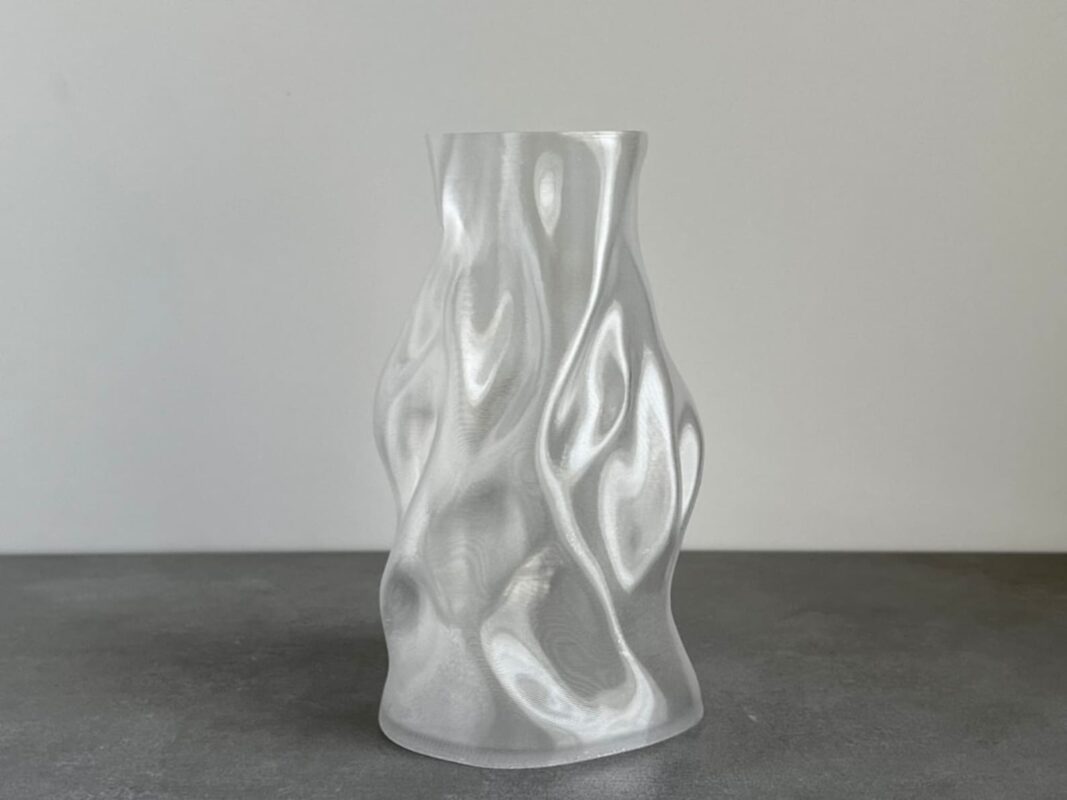
Principles of Color Harmony
1. Color Wheel Basics: Understanding the color wheel and its principles is crucial for selecting palettes that enhance harmony.
- Complementary Colors: Colors opposite each other on the wheel offer a vibrant look when combined correctly.
- Analogous Colors: Colors next to each other on the wheel create a more serene and comfortable look.
- Triadic Colors: Colors that are evenly spaced around the color wheel provide a dynamic and balanced look.
2. Using Color in Rooms:
- Living Rooms: Opt for soft, warm tones that invite relaxation or neutral palettes that allow for colorful accents.
- Bedrooms: Cool, pastel hues or soft shades of green and blue that evoke calmness.
- Kitchens: Energizing colors like yellows and reds or earthy tones that inspire culinary creativity.
Achieving Balance with Furniture
1. Symmetrical Balance: This is achieved by mirroring furniture or decor on either side of a central point, promoting an orderly look that’s pleasing to the eye.
2. Asymmetrical Balance: This involves arrangements that are not identical but have equal visual weight, often achieved through varied yet complementary items that draw interest and keep the eye moving.
3. Radial Balance: Everything radiates from a central point, creating a spiraling or circular flow that can be centered around a prominent piece like a chandelier or a round dining table.
Textures and Patterns for Depth and Interest
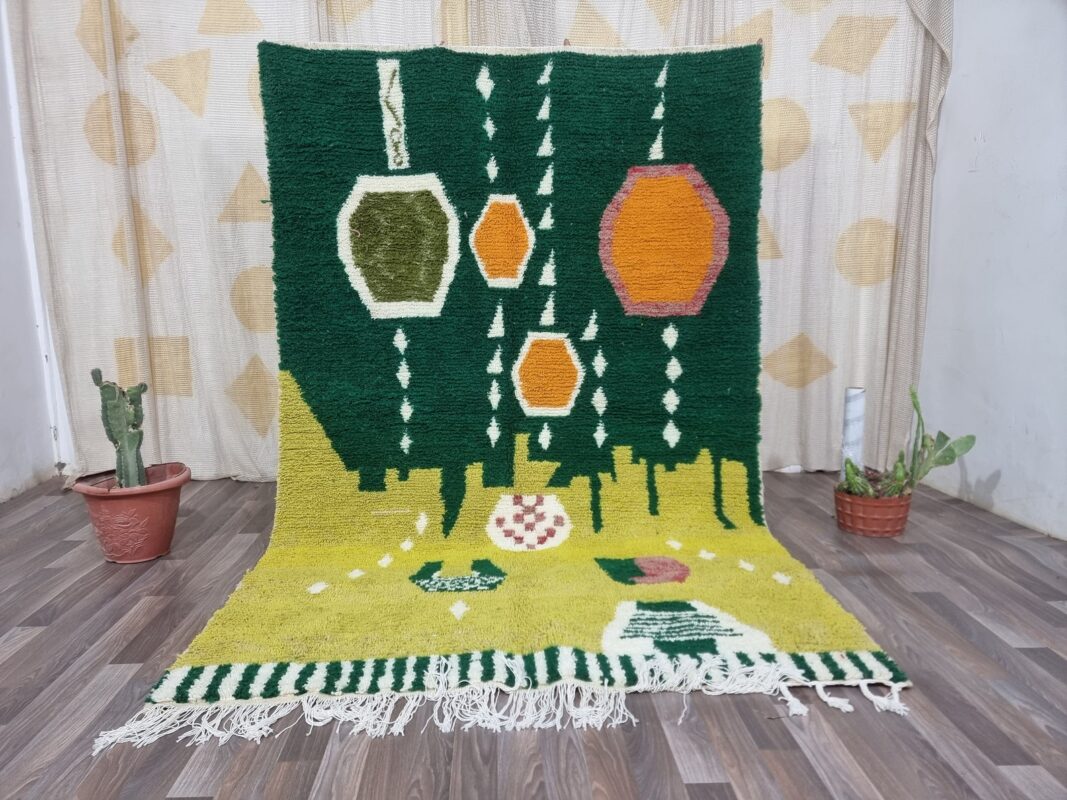
1. Mixing Textures: Combining various textures can enhance comfort and depth. For instance, juxtapose soft throw pillows on a sleek leather sofa or a fluffy rug on a hardwood floor.
2. Patterns in Harmony: Use patterns that complement each other without overwhelming the space. A general rule is to mix patterns of different scales and styles, maintaining a unified color scheme.
Lighting for Harmony
1. Ambient Lighting: Provides overall illumination and sets the foundational mood of the space.
2. Task Lighting: Focuses light where it’s most needed, crucial for areas like reading nooks or kitchen counters.
3. Accent Lighting: Highlights architectural features or key decor items, adding layers and creating visual interest.
Accessories and Decor
1. Focal Points: Every room should have a focal point, whether it’s an art piece, a beautiful piece of furniture, or a unique decorative item. This draws the eye and anchors the room.
2. Minimalism in Decor: Avoid clutter to maintain a sense of order and tranquility. Choose a few significant pieces that complement the overall design theme.
3. Natural Elements: Incorporating elements like plants, water features, or natural wood can enhance the feeling of harmony, connecting the indoors with the natural world outside.
Practical Steps to Harmonize Your Home
1. Plan Your Space: Evaluate your existing elements and plan your changes. Sometimes, achieving harmony can be as simple as rearranging what you already have.
2. Declutter: Remove items that disrupt the aesthetic unity of your space. Less is often more in creating a harmonious home.
3. Test Your Colors: Before committing to paint colors or large furniture pieces, test swatches in different lights to see how they affect the mood and feel of your space throughout the day.
Conclusion
Creating a harmonious home is an art that requires attention to detail, an understanding of design principles, and an appreciation for the subtleties of visual balance. By carefully considering the arrangement of your space, the colors you choose, the lighting, and the decorative items, you can create a home that is not only beautiful but also a true refuge of tranquility and comfort.